Tag: health and wellness

  • Welcome back to our exploration of wellness practices that push the boundaries of comfort to forge resilience and vitality. In my previous post, “The Power of Ice Baths,” I embarked on a frosty adventure, promising to share updates on my chilling quest. Life, with its unforeseen twists and turns, delayed this follow-up, but here we are, ready to dive back into the icy depths.

    My experiment with ice baths has been a journey of discovery, challenges, and adaptation. It’s important to note right off the bat that my initial foray into this cold world wasn’t as successful as I had hoped. However, the bumps along the road were not in vain; they taught me invaluable lessons about preparation, logistics, and the importance of environment in the practice of ice bathing.

    Logistics: The Heart of the Ice Bath Experience

    The most crucial takeaway from my experience is that logistics play a pivotal role in the effectiveness of ice baths. You need two basic elements: water and ice. Sounds simple, right? However, the practicalities of managing these elements can be surprisingly complex.

    Initially, I set up my ice bath on my deck, an elevated platform that seemed convenient due to its proximity to a garden hose spigot and my kitchen. However, concerns about the deck’s capacity to support the significant weight of a water-filled tank, alongside my furniture and smoker, prompted a rethink. The last thing anyone needs is a deck collapse during a chilly immersion!

    Relocation and Innovation

    Moving the ice bath to ground level beneath the deck solved the weight issue but introduced new challenges. Distance from an ice source and the lack of a flat surface for the bath were immediate problems. Resourcefulness led me to repurpose an old pallet and plywood into a makeshift platform, a solution that worked well enough, yet ice remained a logistical hurdle.

    Creating large ice blocks in my kitchen freezer was a workaround, but with limited space, this was far from ideal. The realization dawned that having a cooler nearby to store pre-made ice would streamline the process, keeping the icy relief within arm’s reach whenever needed.

    A Change of Scenery

    Another lesson learned was the importance of location. Positioning the ice bath beneath the deck seemed practical at first, but it exposed the water to debris, despite coverings. It became clear that a new spot, close to but not directly under the deck, would be preferable. My vision now is to tear down an old chicken coop, repurposing that space into a ground-level deck extension specifically for the ice bath. This project is on my to-do list, and I plan to document the process to share with you all.

    Embracing Cold Showers

    In the interim, I’ve adopted daily cold showers as a substitute for ice baths. Surprisingly, this practice has become something I can’t imagine living without. The invigoration and alertness it brings to my mornings are unmatched, serving as a testament to the power of cold exposure, even in its less extreme forms.

    Moving Forward

    The journey with ice baths has been one of learning, adapting, and overcoming challenges. Though not as straightforward as I initially anticipated, it has enriched my understanding of the nuances involved in this practice. My commitment remains unwavering, and I look forward to sharing the evolution of my ice bath setup, along with the continued benefits and insights gained from this fascinating wellness endeavor.
  • What daily habit do you do that improves your quality of life?

    As a delivery driver, I spend an exorbitant amount of time on the road, averaging close to 2,000 miles every month. It’s a vast stretch of time, a swath of my life that, on the surface, might seem monotonous or wasted. But I’ve found a way to transform these long, solitary hours into a fountain of knowledge and enlightenment – through the simple act of reading and listening to audiobooks.

    There’s an indescribable allure to the world of books that one can only understand when they dive into it. The beauty of books lies not just in the stories they tell or the knowledge they impart, but also in the way they shape our understanding of the world. It’s like being a renaissance man, where every page turned opens up a new avenue of interest, a new perspective to ponder, a new concept to grasp.

    My reading interests are as wide as the horizon I traverse daily. From spirituality to health, from politics to self-defense, each topic is a new adventure, a new opportunity to learn. And it’s not just about accumulating factual knowledge. It’s about understanding the world in its myriad shades, delving into the depths of diverse subjects, and realizing that there’s always more to learn.

    Reading has equipped me with a lens to view the world in ways I would have otherwise missed. It has offered me insights into people’s behaviors and situations, allowing me to connect with them on a deeper level. I’ve found common ground with people from all walks of life, thanks to the broad spectrum of knowledge that reading has blessed me with.

    However, reading is not just about consuming information; it’s also about challenging it. The internet, social media, and television constantly bombard us with information, much of it opinion-based. While there’s nothing inherently wrong with this, it’s crucial to balance it with our own quest for knowledge. As the saying goes, “Moderation is key.”

    As I navigate the highways and byways, audiobooks and podcasts have become my co-pilots, guiding me through an array of subjects and perspectives. I believe that there is no such thing as bad knowledge or information, as long as it’s not sourced from a single place. The variety of viewpoints is what makes the world of reading so captivating and enlightening.

    Reading before bed has become a cherished ritual, a calm harbor in the storm of daily life where I can immerse myself in the tranquility of books. This practice not only helps me relax but also ensures that I end each day on a note of learning and personal growth.

    In an era where we’re continually fed information, reading offers an active approach to learning. It’s a quest, a journey that each one of us undertakes at our own pace, exploring the paths that intrigue us.

    So next time you find yourself with a few spare moments, consider picking up a book or playing an audiobook. You never know when a piece of information will come in handy, or when a newfound understanding will change your perspective. After all, every word read is a step towards broadening our horizons and enriching our lives.

    Here’s what I’m reading now.

    The Immortality Key – I’m currently reading this on Kindle. I like kindle because it gives me my library everywhere and I can highlight text to upload to an app where I catalog important passages from books.

    Here’s the book’s description from Amazon.

    A groundbreaking dive into the role psychedelics have played in the origins of Western civilization, and the real-life quest for the Holy Grail that could shake the Church to its foundations.

    The Real Anthony Fauci – I’m currently listening to this on Audible. It’s a hefty book that is documented on RFK’s website. All I all I believe it’s close to 27 hours of audio.

    Here’s the description from Amazon.

    Pharma-funded mainstream media has convinced millions of Americans that Dr. Anthony Fauci is a hero. He is anything but.

    As director of the National Institute of Allergy and Infectious Diseases (NIAID), Dr. Anthony Fauci dispenses $6.1 billion in annual taxpayer-provided funding for scientific research, allowing him to dictate the subject, content, and outcome of scientific health research across the globe. Fauci uses the financial clout at his disposal to wield extraordinary influence over hospitals, universities, journals, and thousands of influential doctors and scientists – whose careers and institutions he has the power to ruin, advance, or reward.

  • Covid is back?

    What was the last thing you searched for online? Why were you looking for it?

    The past few days I’ve been puzzling over the increasing talk around another round of Covid vaccines being brought up in the media, on X and seemingly with damn near anyone I talk to. When I saw this prompt come up today…I hesitated. I hesitated because the last thing I looked up was Pfizer stock because I wanted to see it trend line. Let me explain.

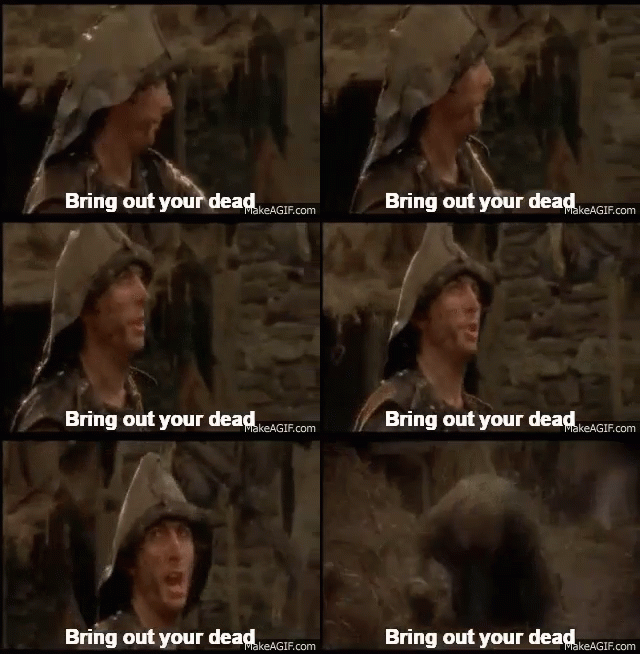
    I can’t speak for everyone’s experiences but I can speak to mine. When Covid first hit I was concerned. I had anticipated that we’d experience a pandemic in my lifetime since they have been a pretty common occurrence in human history and we were a little over due for one but what I experienced was nothing like what I thought it would be like. I had visions of dead bodies on the road, mass graves, etc. kinda like that scene in Monty Python and the Holy Grail?

    It didn’t turn out that way. Sure the first few months seemed a confusing mix of data. The hospitals were over run, but I didn’t see that. Not where I was. I got sick several times too. Each time I went to the drive through with the folks in HAZMAT gear who swabbed my nostrils. I never tested positive.

    I saw people get Covid who had a hard time with it and then I saw others who didn’t. I even had friends get tested because they were close to someone who tested positive who in turn tested positive…but they never had a symptom. I didn’t understand what was happening but the longer time went on the more I questioned things.

    When the vaccine came out. I got one. Booster? Yeah…that too. Then we saw strain after strain and folks said it was getting weaker. Becoming more virulent. The virus…like any living thing wants to live and propagate which it can’t do if it’s perpetually killing its hosts? We had the likes of Trump, Fauci, Biden all her double triple vaccinated but still have had Covid….multiple times no less.

    Sigh….it’s tiring.

    So what was I searching on the internet? Stock prices.

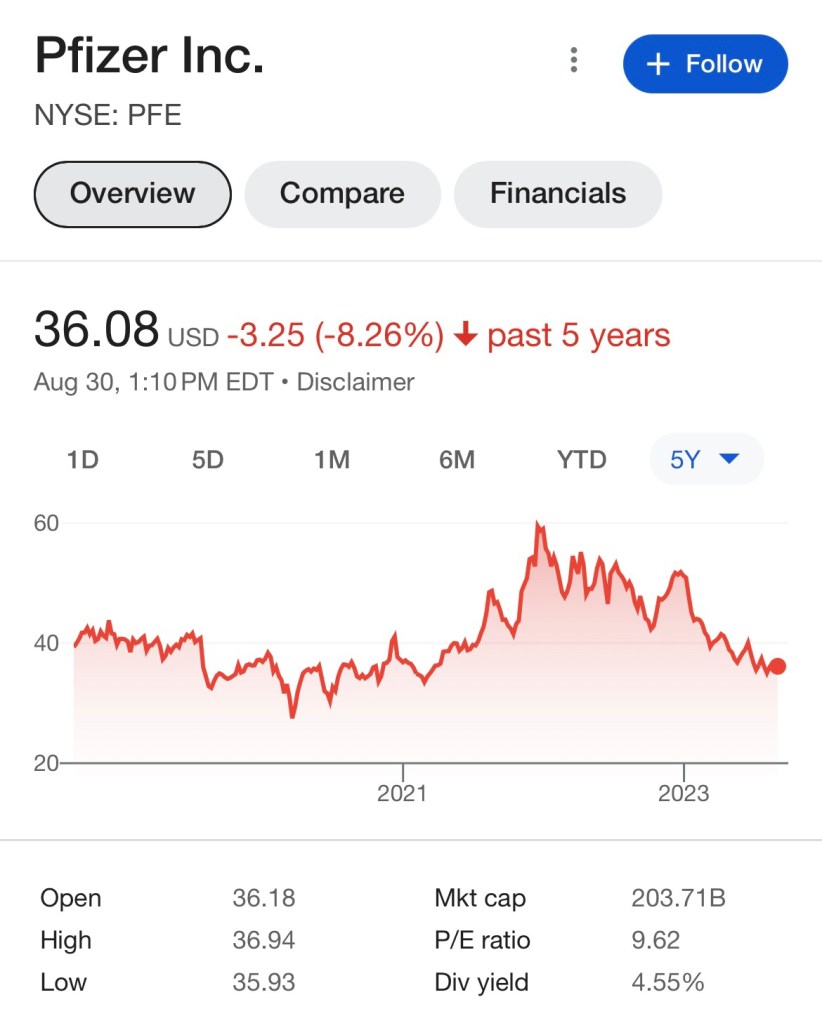
    Pfizer stock prices over five years
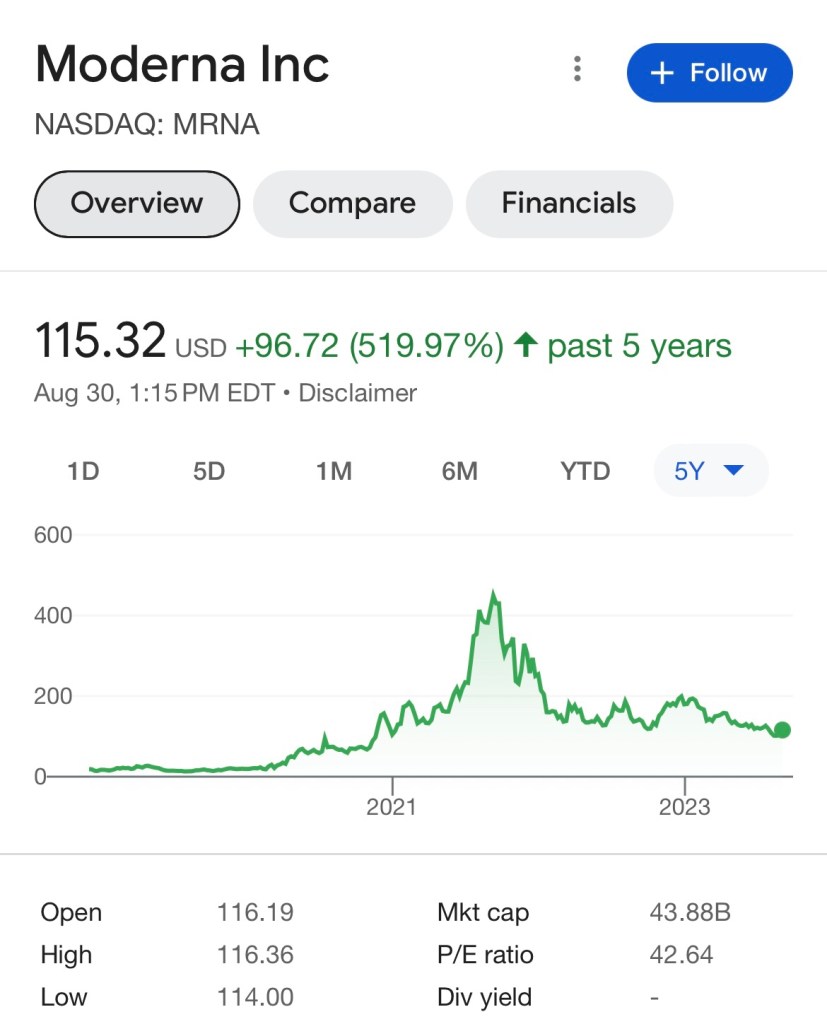
    Moderna stock prices over five years.

    Look at these numbers….When I look at these numbers and I think about the newest pushes I see coming at us from all around about getting new vaccines and how the current administration will be approaching congress for a new spending bill for a new Covid vaccine…I look at these numbers.

    What do you think about these numbers? Anything stand out?

  • My IcePod Ice bath

    Introduction:
    Have you ever considered trading your regular morning shower for an invigorating ice bath? While it may sound daunting, ice baths have gained popularity for their potential health benefits and the refreshing wake-up they provide. In this blog post, we will explore the benefits of ice baths and how they can positively impact your well-being. From improved circulation to enhanced mental clarity, the advantages are numerous. So, prepare to dive into the world of ice baths and discover a new way to start your day feeling revitalized.

    1. Boosts Circulation and Recovery:
      One of the most significant benefits of ice baths is their ability to stimulate blood circulation. Plunging into cold water causes blood vessels to constrict, which helps flush out waste products and toxins from your muscles. As you exit the ice bath, the blood vessels dilate, increasing blood flow and delivering fresh oxygen and nutrients to the muscles. This process can aid in post-workout recovery, reducing muscle soreness and promoting faster healing.
    2. Enhances Mental Wellness:
      Ice baths are not just beneficial for the body; they can also have a positive impact on your mental well-being. The shock of cold water triggers the release of endorphins, which are natural mood enhancers. This can lead to an immediate boost in mood, increased alertness, and a sense of mental clarity. Ice baths may also help reduce symptoms of depression and anxiety, serving as a natural stress reliever.
    3. Promotes Weight Loss and Metabolism:
      While weight loss may be a subjective measure, some individuals have reported positive effects when incorporating ice baths into their wellness routine. Exposure to cold temperatures can activate brown adipose tissue (BAT), also known as “good fat,” which helps burn calories to generate heat. Additionally, ice baths may increase metabolic rate, allowing the body to burn more calories throughout the day.
    4. Improves Sleep Quality:
      If you struggle with sleep issues or insomnia, ice baths might offer a natural solution. Taking an ice bath before bed can help lower your body temperature, signaling to your brain that it’s time to sleep. The subsequent warming process after the ice bath can induce a more relaxed state, potentially leading to improved sleep quality and duration.
    5. Enhances Immune Function:
      Cold exposure through ice baths has been linked to improved immune function. Cold water immersion triggers an increase in white blood cell activity, enhancing the body’s ability to fight off infections and illnesses. Regular ice baths may contribute to a stronger immune system, reducing the risk of common ailments.

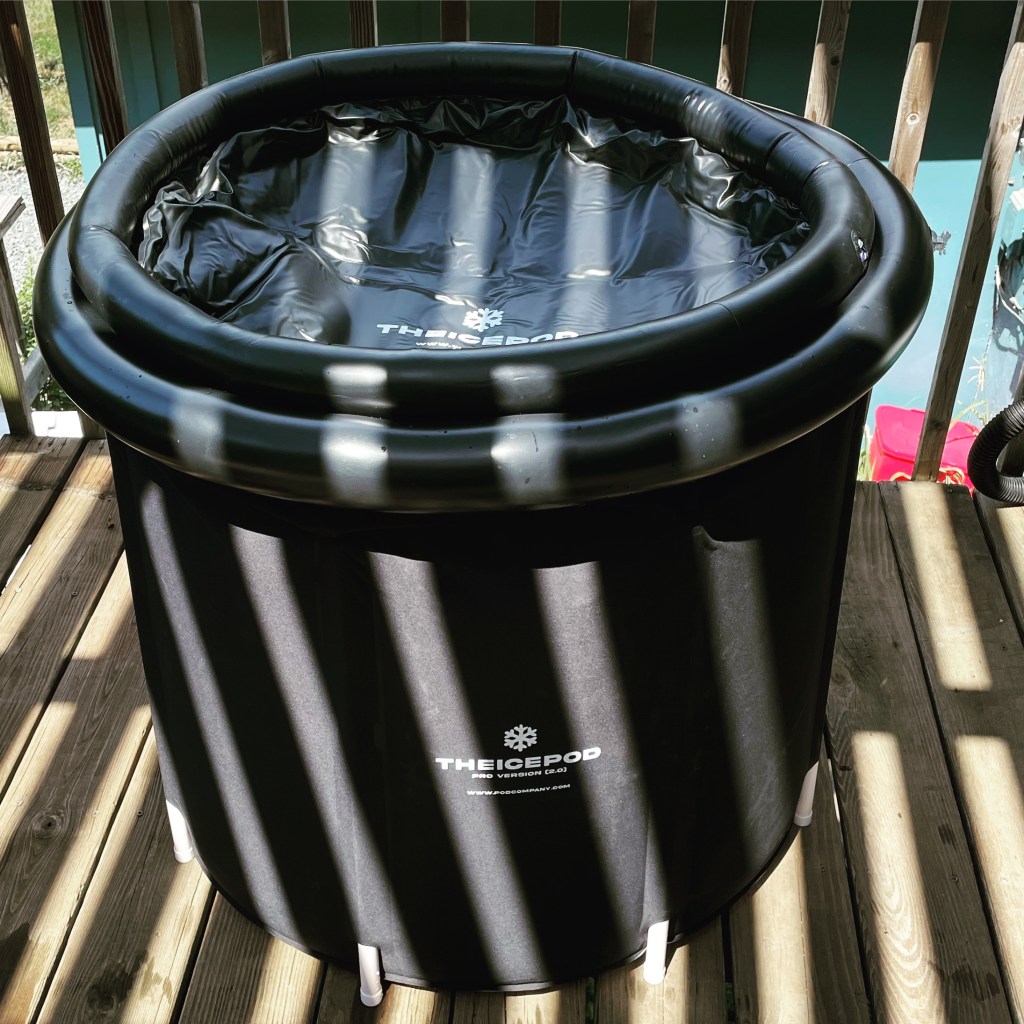
    I chose the IcePod from The Pod Company because is the price and the reviews I’ve seen so far. It’s a fraction of the cost of typical set ups and the design seems well thought out. I will do a more thorough review of the IcePod after I get a chance to use it for a little while. Along with the review of the Pod itself, I will be measuring its impact on my sleep as well as my heart rate. I will share any other data relevant to the claims made but it will likely be anecdotal and I’ll state that as well.


    While the benefits of ice baths are promising, it’s important to approach them with caution and consider individual preferences and health conditions. If you decide to incorporate ice baths into your routine, start slowly and gradually increase the duration and intensity. Remember to listen to your body and prioritize safety. Ice baths can be a refreshing and invigorating way to kickstart your day, promoting physical and mental well-being.

    If you interested is reading more, check out my post on the Wim Hof method here.

  • How would you design the city of the future?

    In the world I see you are stalking elk through the damp canyon forests around the ruins of Rock feller Center. You’ll wear leather clothes that will last you the rest of your life. You’ll climb the wrist-thick kudzu vines that wrap the Sears Towers. And when you look down, you’ll see tiny figures pounding corn, laying stripes of venison on the empty car pool lane of some abandoned superhighways.

    Chuck Palahniuk, Fight Club

    The cities of the future? I wouldn’t design them—at least not as they exist today. You see, I believe we’re a species out of balance, enamored by the allure of modernity, yet simultaneously thrown off kilter by its rapid pace and often unconsidered impacts. I propose we harmonize technology with our inherent human nature, striving to find equilibrium with our environment, our species, and our very souls. My ideas may seem a bit radical, and perhaps are not fully fleshed out, but bear with me as we journey into my vision of the cities of tomorrow.

    Decentralization: The Core of Future Cities

    The first step towards this future is the decentralization of cities. Away with sprawling urban jungles that consume vast expanses of land, and in with communities not larger than 10,000 people, where everyone knows their neighbor, and shared goals and values cultivate a sense of belonging.

    The decentralization should also apply to companies. The era of centralized supply chains must give way to a web of local distribution and fulfillment centers, enabling agility and resilience in the face of supply chain disruptions. A decentralized model also supports local economies, creating jobs and reducing the carbon footprint associated with long-distance transportation.

    Agriculture: In the Hands of the People

    I envision a future where agriculture is not dominated by large corporations, but rather, is in the hands of the people. Community gardens and urban farms become the norm, providing fresh, locally sourced produce, and instilling a sense of connection and responsibility for the land.

    Work: A Blend of Tradition and Modernity

    Traditional trades should be revived, with more people within communities honing artisan skills and crafts. For those whose work can be done remotely, telecommuting should be the norm, reducing the need for daily commuting and its associated environmental impact.

    Sustainable Living: Reducing Consumption and Waste

    The cities of the future should be characterized by sustainable living. This means reducing our propensity for throwaway consumption, and instead, embracing a circular economy where waste is minimized and resources are reused or recycled.

    Landscaping: Merging Aesthetics with Functionality

    I imagine cities and homes landscaped with native fruit and nut trees, interspersed with perennial and annual vegetable gardens, and adorned with wildflowers. This not only enhances the aesthetic appeal of our surroundings, but also provides a source of food and promotes biodiversity.

    Chickens could free-range across neighborhoods, providing fresh eggs and naturally controlling pests. Homes could be earthworks, dug into the ground, with grass on the rooftops, blending seamlessly into the landscape and offering energy efficiency.

    Waste Management: Composting for a Healthier Planet

    Communal composting could become a standard practice, turning organic waste into nutrient-rich soil for community gardens, reducing landfill waste, and sequestering carbon.

    In this vision, humanity is reintroduced to the world, rather than kept apart from it. We become a part of the ecosystem, living in harmony with nature, rather than against it. It’s a radical shift from our current urban living, but it’s a future where we can thrive—both as individuals and as a species. It’s a future where we’re not just surviving, but living in balance with the world around us. This is my vision for the cities of the future.

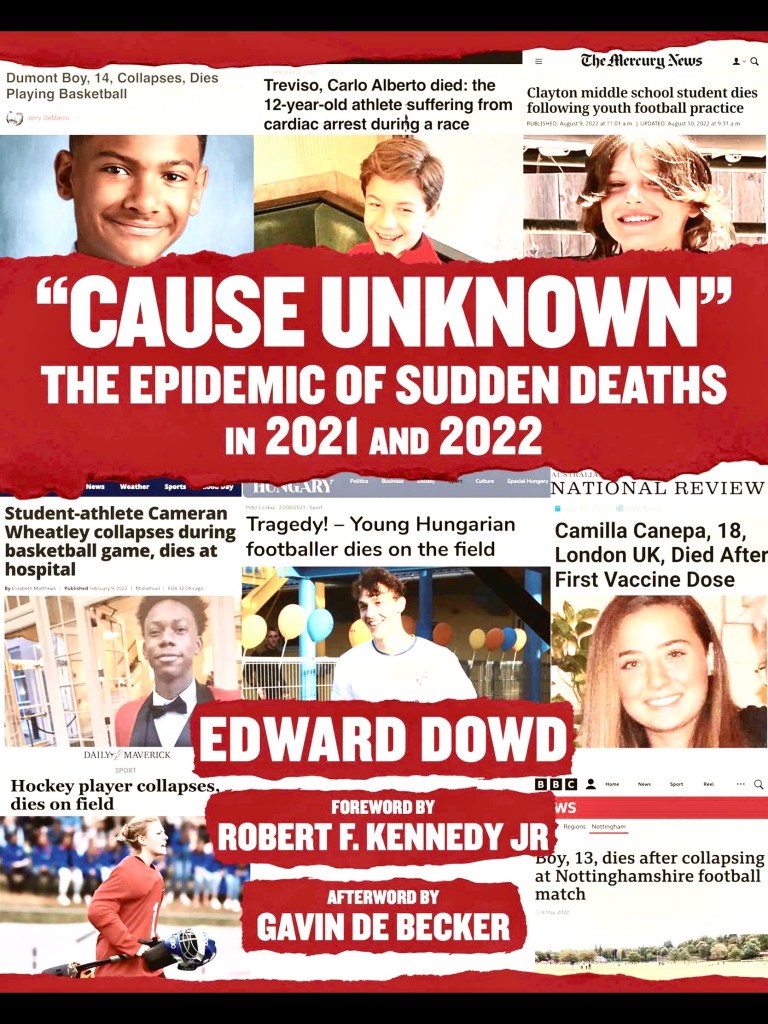
  • Cause Unknown By Edward Dowd

    The book “Cause Unknown” by Edward Dowd is a compelling analysis that uses a analytical approach to investigate an alarming increase in death rates during the pandemic years, not directly attributable to COVID-19. A fascinating work of research and revelation, this book challenges the prevailing narrative and encourages us to question, explore, and critically evaluate the events surrounding the pandemic.

    Edward Dowd, a finance professional, brings his analytical prowess to the table and presents a wealth of documentation to support his thesis. He notes, “From February 2021 to March 2022, millennials experienced the equivalent of a Vietnam war, with more than 60,000 excess deaths. The Vietnam war took 12 years to kill the same number of healthy young people we’ve just seen die in 12 months.”

    What’s striking about Dowd’s approach is his refrain from drawing definitive conclusions. Instead, he encourages readers to delve into the data, dive into the evidence, and shape their own understanding about this puzzling increase in mortality rates. This approach is both empowering and daunting, as it underscores the importance of informed and active citizenry in unraveling complex societal issues.

    Cause Unknown” is undoubtedly a book that deserves attention, but it’s likely to face challenges in reaching a broad audience, primarily due to its potentially controversial stance. Some might prematurely dismiss it as anti-vaccine propaganda. I hope this is not the case, as the book offers valuable insights and raises important questions about the management of the pandemic and the ensuing public health responses.

    As someone who is fully vaccinated and believed in the importance of doing my part to help end the pandemic, I found my perspective challenged by this book. As the dust began to settle, I began to question the official narrative and the actions of those in charge of our safety. This sense of unease and frustration is likely to resonate with many readers.

    Cause Unknown” is a testament to the importance of questioning, of digging deeper, and of refusing to accept information at face value. It reminds us that questioning is not the same as dismissing – indeed, it’s a vital part of being a responsible citizen. It’s a call to action to break free from the tribalism and unchecked worldviews that divide us and to be critical consumers of information.

    In our quest for truth and accountability, we need to be aware of the forces that seek to manipulate narratives for their own gain. Dowd’s book equips us with the tools and the mindset to do just that. Whether you align with his perspective or not, “Cause Unknown” is a valuable contribution to the conversation about the pandemic years and their impact on our society. It’s a call for vigilance, for accountability, and for the power of informed questioning as we navigate the post-pandemic world.

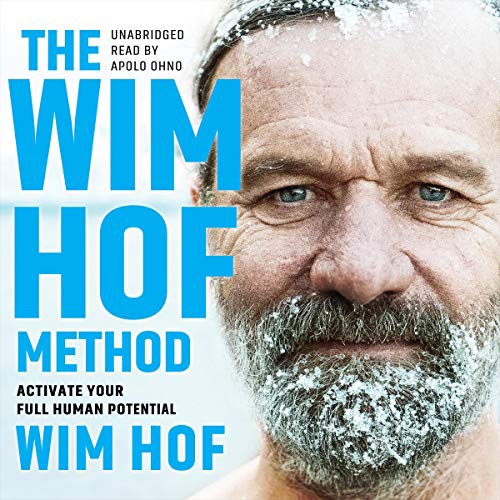
  • The Wim Hof Method by Wim Hof

    As a frequent long-distance driver, I’ve found that audiobooks are a fantastic companion for the road. They offer an opportunity to delve into new topics and explore fresh perspectives while navigating those endless highways and backroads. Recently, I’ve had the pleasure of immersing myself in the extraordinary world of Wim Hof, the ‘Iceman,’ and his transformative breathing techniques.

    My introduction to the Wim Hof Method was thanks to the insightful Huberman Lab podcast, which featured some remarkable discussions about the technique. He piqued my curiosity to such an extent that I decided to dive deeper into the subject. What better way to do so than to hear from Wim Hof himself? So, I decided to purchase his book, The Win Hoff Method Book

    The method shows clearly that what we believe determines how much we can do. As Wim points out, “Whether you think you can or you think you can’t, you are right.”

    The book is a fascinating blend of Wim’s personal journey and his unique method that has taken the world by storm. It offers an intriguing look into the life of a man who has pushed the limits of human endurance, breaking numerous world records in the process.

    The Wim Hof Method is essentially a three-pillar system that includes cold therapy, breathing exercises, and commitment (mindset). The core idea is that by exposing ourselves to the extreme cold and practicing specific breathing techniques, we can gain a level of control over our body’s physiological response, helping us to increase physical endurance, boost our immune system, improve mental health, and even manage stress better.

    My method, which I have developed and refined over the course of nearly forty years, is based on three simple, natural pillars: cold exposure, conscious breathing, and the power of the mind.

    Wim’s life story is as inspiring as his method. His unyielding spirit and relentless search for personal growth and understanding of the human body’s potential are truly awe-inspiring. So much so, I’ve decided to give his method a shot myself. I recently ordered my ice pod from the Pod Company, and I can’t wait to start my cold therapy journey.

    If you’re as intrigued by the Wim Hof Method as I was, I wholeheartedly recommend giving these podcasts a listen:

    And, of course, Wim’s book is a must-read if you’re interested in delving deeper into the method: [The Wim Hof Method Book]