Tag: dailyprompt

  • How are you feeling right now?

    “It should be the artist challenging the status quo and not the other way around”
    Christopher Anthony

    As I sit here, I find myself enveloped in a state of complex emotions. On one hand, I am filled with hope for what the future holds, and yet, I am equally filled with concern. It’s as if our society is adrift on a seemingly endless ocean, devoid of a guiding compass. It’s hard not to feel disheartened.

    We are constantly inundated with an overwhelming flood of information and opinions, each clamoring for our attention, each purporting to be the beacon of truth. It’s become a cacophony that drowns out our own thoughts, our own voices. It feels as if we’ve been lulled into a state of complacency, seeing the need for change but seemingly unable to find a clear path forward.

    In this maelstrom, we often find ourselves following the words of those we’ve chosen to deliver our news, our information. We do so, often without taking the time to question if they’ve earned this trust, this influence over our worldview. It’s disconcerting how we’ve allowed these strangers, who don’t know us, will never know us, and perhaps don’t even care about us, to drive wedges between us and our loved ones. Ideological differences have come to overshadow the ties of friendship and family, and one can’t help but ask, “Why?”

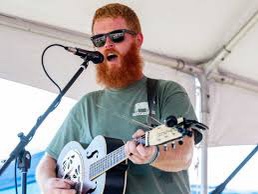
    Recently, I was reminded of the power of human connection and commonality in the most unlikely of places: a song. “Rich Men North of Richmond” by Oliver Anthony isn’t just a melody to me; it’s a poignant commentary on our current societal state. Anthony’s lyrics speak of a universal desire for freedom from the constant intrusion of those in power, a sentiment that resonates deeply with me and many others.

    Yet, as is often the case, this song has been co-opted by various political camps, each claiming it as their anthem, each attempting to dictate how we should feel about it. It’s as if we’re unable to let a person simply express their thoughts without trying to politicize them. We champion the idea of living one’s “truth,” yet when that truth challenges what the so-called “mouthpieces of the world” advocate, it’s dismissed.

    Listening to Anthony discuss his song, his identity, and his beliefs on the Joe Rogan podcast was an illuminating experience. His words, stripped of political spin and media interpretations, provided a deeper insight into the motivation behind his music.

    So here is my advice: listen to Anthony’s song. Pay attention to his lyrics. Understand his perspective. And remember, it should be the artist challenging the status quo, not the status quo questioning the artist.

    We are more alike than we are different. Let’s not let the loud and divisive voices of a few drown out the shared dreams and hopes of many. Let’s strive to listen more, to understand better, and to find our common ground. For it’s only together that we can chart a hopeful, meaningful path forward.

    Stay Assiduous…
  • What daily habit do you do that improves your quality of life?

    As a delivery driver, I spend an exorbitant amount of time on the road, averaging close to 2,000 miles every month. It’s a vast stretch of time, a swath of my life that, on the surface, might seem monotonous or wasted. But I’ve found a way to transform these long, solitary hours into a fountain of knowledge and enlightenment – through the simple act of reading and listening to audiobooks.

    There’s an indescribable allure to the world of books that one can only understand when they dive into it. The beauty of books lies not just in the stories they tell or the knowledge they impart, but also in the way they shape our understanding of the world. It’s like being a renaissance man, where every page turned opens up a new avenue of interest, a new perspective to ponder, a new concept to grasp.

    My reading interests are as wide as the horizon I traverse daily. From spirituality to health, from politics to self-defense, each topic is a new adventure, a new opportunity to learn. And it’s not just about accumulating factual knowledge. It’s about understanding the world in its myriad shades, delving into the depths of diverse subjects, and realizing that there’s always more to learn.

    Reading has equipped me with a lens to view the world in ways I would have otherwise missed. It has offered me insights into people’s behaviors and situations, allowing me to connect with them on a deeper level. I’ve found common ground with people from all walks of life, thanks to the broad spectrum of knowledge that reading has blessed me with.

    However, reading is not just about consuming information; it’s also about challenging it. The internet, social media, and television constantly bombard us with information, much of it opinion-based. While there’s nothing inherently wrong with this, it’s crucial to balance it with our own quest for knowledge. As the saying goes, “Moderation is key.”

    As I navigate the highways and byways, audiobooks and podcasts have become my co-pilots, guiding me through an array of subjects and perspectives. I believe that there is no such thing as bad knowledge or information, as long as it’s not sourced from a single place. The variety of viewpoints is what makes the world of reading so captivating and enlightening.

    Reading before bed has become a cherished ritual, a calm harbor in the storm of daily life where I can immerse myself in the tranquility of books. This practice not only helps me relax but also ensures that I end each day on a note of learning and personal growth.

    In an era where we’re continually fed information, reading offers an active approach to learning. It’s a quest, a journey that each one of us undertakes at our own pace, exploring the paths that intrigue us.

    So next time you find yourself with a few spare moments, consider picking up a book or playing an audiobook. You never know when a piece of information will come in handy, or when a newfound understanding will change your perspective. After all, every word read is a step towards broadening our horizons and enriching our lives.

    Here’s what I’m reading now.

    The Immortality Key – I’m currently reading this on Kindle. I like kindle because it gives me my library everywhere and I can highlight text to upload to an app where I catalog important passages from books.

    Here’s the book’s description from Amazon.

    A groundbreaking dive into the role psychedelics have played in the origins of Western civilization, and the real-life quest for the Holy Grail that could shake the Church to its foundations.

    The Real Anthony Fauci – I’m currently listening to this on Audible. It’s a hefty book that is documented on RFK’s website. All I all I believe it’s close to 27 hours of audio.

    Here’s the description from Amazon.

    Pharma-funded mainstream media has convinced millions of Americans that Dr. Anthony Fauci is a hero. He is anything but.

    As director of the National Institute of Allergy and Infectious Diseases (NIAID), Dr. Anthony Fauci dispenses $6.1 billion in annual taxpayer-provided funding for scientific research, allowing him to dictate the subject, content, and outcome of scientific health research across the globe. Fauci uses the financial clout at his disposal to wield extraordinary influence over hospitals, universities, journals, and thousands of influential doctors and scientists – whose careers and institutions he has the power to ruin, advance, or reward.

  • Covid is back?

    What was the last thing you searched for online? Why were you looking for it?

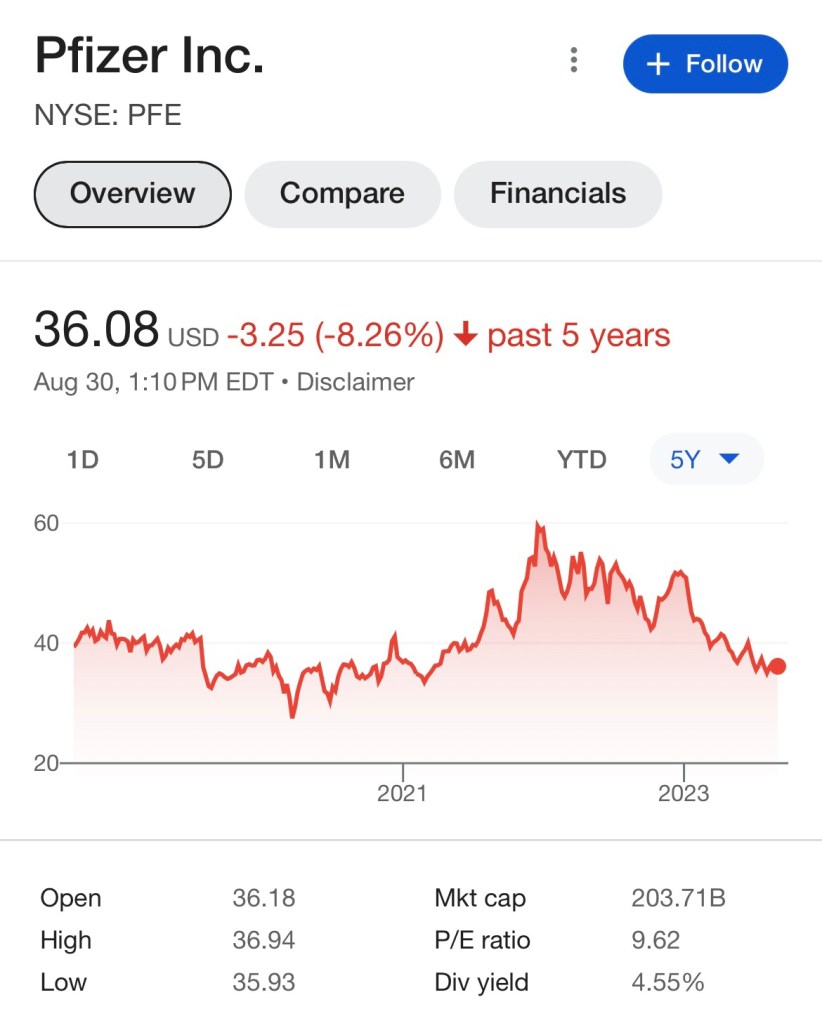
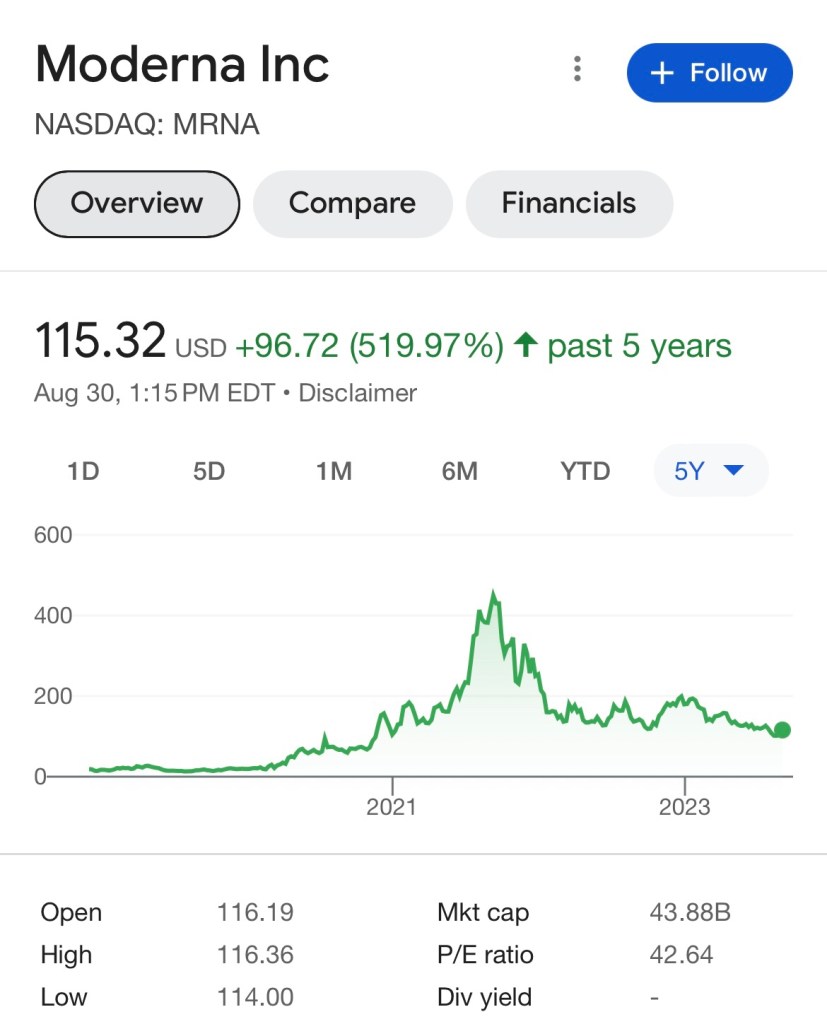
    The past few days I’ve been puzzling over the increasing talk around another round of Covid vaccines being brought up in the media, on X and seemingly with damn near anyone I talk to. When I saw this prompt come up today…I hesitated. I hesitated because the last thing I looked up was Pfizer stock because I wanted to see it trend line. Let me explain.

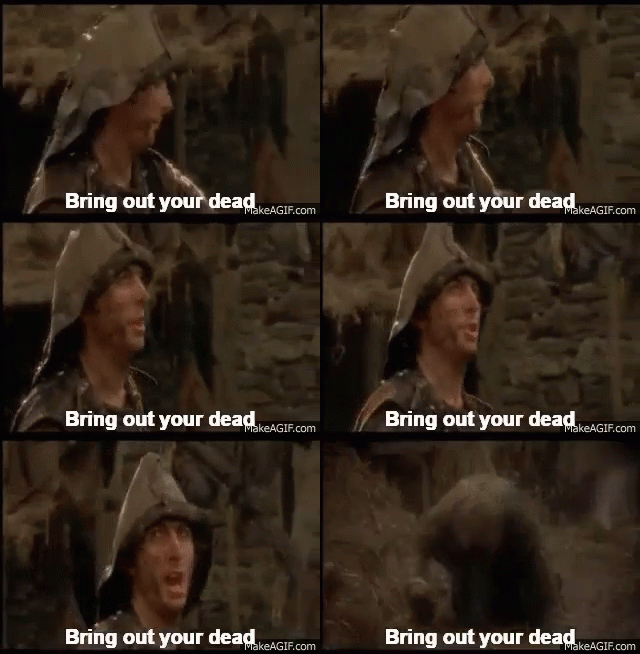
    I can’t speak for everyone’s experiences but I can speak to mine. When Covid first hit I was concerned. I had anticipated that we’d experience a pandemic in my lifetime since they have been a pretty common occurrence in human history and we were a little over due for one but what I experienced was nothing like what I thought it would be like. I had visions of dead bodies on the road, mass graves, etc. kinda like that scene in Monty Python and the Holy Grail?

    It didn’t turn out that way. Sure the first few months seemed a confusing mix of data. The hospitals were over run, but I didn’t see that. Not where I was. I got sick several times too. Each time I went to the drive through with the folks in HAZMAT gear who swabbed my nostrils. I never tested positive.

    I saw people get Covid who had a hard time with it and then I saw others who didn’t. I even had friends get tested because they were close to someone who tested positive who in turn tested positive…but they never had a symptom. I didn’t understand what was happening but the longer time went on the more I questioned things.

    When the vaccine came out. I got one. Booster? Yeah…that too. Then we saw strain after strain and folks said it was getting weaker. Becoming more virulent. The virus…like any living thing wants to live and propagate which it can’t do if it’s perpetually killing its hosts? We had the likes of Trump, Fauci, Biden all her double triple vaccinated but still have had Covid….multiple times no less.

    Sigh….it’s tiring.

    So what was I searching on the internet? Stock prices.

    Pfizer stock prices over five years
    Moderna stock prices over five years.

    Look at these numbers….When I look at these numbers and I think about the newest pushes I see coming at us from all around about getting new vaccines and how the current administration will be approaching congress for a new spending bill for a new Covid vaccine…I look at these numbers.

    What do you think about these numbers? Anything stand out?

  • How would you design the city of the future?

    In the world I see you are stalking elk through the damp canyon forests around the ruins of Rock feller Center. You’ll wear leather clothes that will last you the rest of your life. You’ll climb the wrist-thick kudzu vines that wrap the Sears Towers. And when you look down, you’ll see tiny figures pounding corn, laying stripes of venison on the empty car pool lane of some abandoned superhighways.

    Chuck Palahniuk, Fight Club

    The cities of the future? I wouldn’t design them—at least not as they exist today. You see, I believe we’re a species out of balance, enamored by the allure of modernity, yet simultaneously thrown off kilter by its rapid pace and often unconsidered impacts. I propose we harmonize technology with our inherent human nature, striving to find equilibrium with our environment, our species, and our very souls. My ideas may seem a bit radical, and perhaps are not fully fleshed out, but bear with me as we journey into my vision of the cities of tomorrow.

    Decentralization: The Core of Future Cities

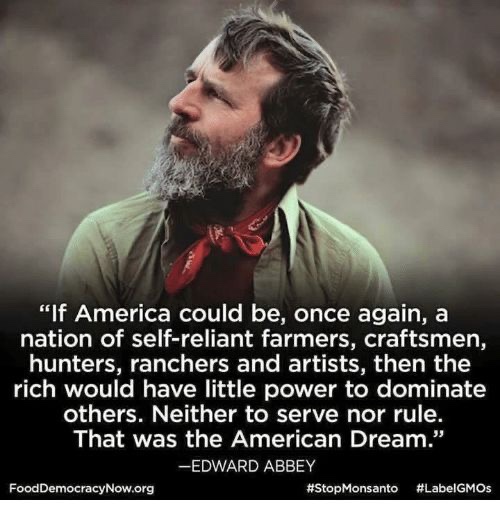
    The first step towards this future is the decentralization of cities. Away with sprawling urban jungles that consume vast expanses of land, and in with communities not larger than 10,000 people, where everyone knows their neighbor, and shared goals and values cultivate a sense of belonging.

    The decentralization should also apply to companies. The era of centralized supply chains must give way to a web of local distribution and fulfillment centers, enabling agility and resilience in the face of supply chain disruptions. A decentralized model also supports local economies, creating jobs and reducing the carbon footprint associated with long-distance transportation.

    Agriculture: In the Hands of the People

    I envision a future where agriculture is not dominated by large corporations, but rather, is in the hands of the people. Community gardens and urban farms become the norm, providing fresh, locally sourced produce, and instilling a sense of connection and responsibility for the land.

    Work: A Blend of Tradition and Modernity

    Traditional trades should be revived, with more people within communities honing artisan skills and crafts. For those whose work can be done remotely, telecommuting should be the norm, reducing the need for daily commuting and its associated environmental impact.

    Sustainable Living: Reducing Consumption and Waste

    The cities of the future should be characterized by sustainable living. This means reducing our propensity for throwaway consumption, and instead, embracing a circular economy where waste is minimized and resources are reused or recycled.

    Landscaping: Merging Aesthetics with Functionality

    I imagine cities and homes landscaped with native fruit and nut trees, interspersed with perennial and annual vegetable gardens, and adorned with wildflowers. This not only enhances the aesthetic appeal of our surroundings, but also provides a source of food and promotes biodiversity.

    Chickens could free-range across neighborhoods, providing fresh eggs and naturally controlling pests. Homes could be earthworks, dug into the ground, with grass on the rooftops, blending seamlessly into the landscape and offering energy efficiency.

    Waste Management: Composting for a Healthier Planet

    Communal composting could become a standard practice, turning organic waste into nutrient-rich soil for community gardens, reducing landfill waste, and sequestering carbon.

    In this vision, humanity is reintroduced to the world, rather than kept apart from it. We become a part of the ecosystem, living in harmony with nature, rather than against it. It’s a radical shift from our current urban living, but it’s a future where we can thrive—both as individuals and as a species. It’s a future where we’re not just surviving, but living in balance with the world around us. This is my vision for the cities of the future.

  • What motivates you?

    As I sit down to pen this blog post, I am reminded of my core values and motivations that have shaped me into the person I am today. At the heart of it all, I strive to be the best version of myself – a loving friend, husband, father and brother. This is not only for the people in my life who deserve the best of me but also for myself. I believe that we all owe it to ourselves to continually grow and evolve, not just for the benefit of those around us, but for our own fulfillment and happiness.

    We live in a pretty amazing world that is brimming with opportunities for learning and growth. It’s a world that deserves to be explored and experienced to the fullest. I want to ensure that when my time comes to leave this world, I have left no stone unturned, no opportunity unexplored, and no potential untapped (within reason of course).

    Reflecting on my life, I find myself drawn back to my early years and my experiences with religion. I was raised in a Protestant family and attended church regularly. In middle school, I transitioned from a public school to a private Christian one. These experiences, I believe, have helped shape my perspective on life and self-improvement.

    One realization I had today from this time is the overlap I believe must exist between Christianity and Stoicism. I’m no expert on that topic but statements like, and I’m paraphrasing, “I want to be more like Jesus every day and less of me” resonate similarly with Stoic statements like “Man is both the marble and the sculptor.” While I was influenced more by the former in my formative years, the concept of self-improvement and personal growth was firmly planted in my mind.

    Another significant takeaway from my school years was the exposure to diverse beliefs within the same religion. My school was run by a Pentecostal church, and their practices were quite different from what I was accustomed to in my home church. This experience taught me to question things, seek understanding, and challenge my perceptions. This mindset has made me a lifelong learner and has continually motivated me to grow and improve.

    I wanted to share a few books that have been important in my journey and I thought maybe you would enjoy them too. Theres a mix of stoicism and Buddhism here but they won’t fail?

    1. Meditations” by Marcus Aurelius: This classic Stoic text offers profound insights on life, death, duty, and the universe.
    2. Wisdom for the Way” by Bruce Lee Compiled from Bruce Lee’s personal notes and writings, this book offers profound insights on martial arts, personal development, and philosophy, providing readers with timeless wisdom to navigate life’s challenges and cultivate a balanced mind, body, and spirit.
    3. The Obstacle is the Way” by Ryan Holiday This book draws on ancient Stoic philosophy to show readers how to transform obstacles into opportunities, providing a practical guide for overcoming challenges, finding resilience, and achieving personal growth.
    4. The Unfettered Mind” by Takian Sōhō is a classic Zen text that explores the nature of the mind and its relationship to the world, offering practical teachings and philosophical insights to cultivate a state of mental clarity, freedom, and spontaneity in all aspects of life. It provides guidance on overcoming obstacles, mastering one’s emotions, and finding inner peace through a deep understanding of the self.

    In the end, my journey towards self-improvement and being the best version of myself is a continuous one. I hope that my experiences and insights can inspire you on your journey, and that the books I’ve recommended can provide guidance along the way.

  • What are your top ten favorite movies?

    Hello film lovers! I’d like to share with you today a list of my top ten favorite movies. These aren’t your typical box office blockbusters, but every one of them is special in its own way. My wife refers to them as “Man Movies”, but I believe they’re much more than that. They’re an eclectic blend of genres and themes, each standing tall in its own respect. So let’s dive in, listing them in the order they were released. I’ve also included some of the more popular quotes from each movie to give a little flavor of what to expect. (Amazon affiliate links included)

    1. Rear Window (1954) – Alfred Hitchcock’s masterful suspense thriller is a timeless study in voyeurism, relationships, and murder. With its confined setting and intimate character examination, Rear Window keeps audiences on the edge of their seats from start to finish, making it a classic for all times.
      • “We’ve become a race of peeping toms.” – L.B. Jefferies
      • “A murderer would never parade his crime in front of an open window.” – Lisa Fremont
    2. Night Of The Living Dead (1968) – George A. Romero’s seminal horror film birthed the modern zombie genre. It’s both the original and the remake that deliver a potent mix of scares, social commentary, and a revolutionary depiction of a Black lead character during a time of racial tension. The zombies are not just a menace, but a metaphor for societal fears and concerns.
      • “They’re coming to get you, Barbara!” – Johnny
      • “They’re us. We’re them and they’re us.” – Ben
    3. Jaws (1975) – This Steven Spielberg classic is more than just a shark movie. Its brilliance lies in the masterful suspense building, compelling characters, and a solid narrative. Jaws continues to be a testament to Spielberg’s genius and the power of cinema to induce raw, primal fear.
      • “You’re gonna need a bigger boat.” – Martin Brody
      • “Here’s to swimmin’ with bow-legged women.” – Quint
    4. Striking Distance (1993) – Set against the backdrop of Pittsburgh, this action thriller showcases the city and its surrounding area whilst weaving a tale of a disgraced homicide detective, played by Bruce Willis. As someone from Pittsburgh, this movie feels like a homecoming, making it a special addition to my list.
      • “You’re gonna have to do better than that, pal. I’ve been drinking from the moment I woke up.” – Tom Hardy
      • “You’re a dead man, Hardy! You hear me? Dead man!” – Jimmy Detillo
    5. Cop Land (1997) – This crime drama offers a different side of Sylvester Stallone. Playing a small-town sheriff caught between duty and corrupt cops he admires, Stallone delivers a compelling performance that makes Cop Land a real hidden gem.
      • “I’m the Sheriff of Cop Land. And in Cop Land, we do things my way.” – Freddy Heflin
      • “You don’t know how bad I wanna kill somebody.” – Ray Donlan
    6. The Big Lebowski (1998) – This Coen Brothers’ cult classic takes us on a hilarious journey through the life of “The Dude,” masterfully portrayed by Jeff Bridges. With a star-studded cast, memorable characters, and a tapestry of quotable lines, The Big Lebowski is a comedic delight that never fails to entertain.
      • “The Dude abides.” – The Dude
      • “This aggression will not stand, man!” – Walter Sobchak
    7. Fight Club (1999) – Based on Chuck Palahniuk’s novel, this film is a dark, gritty exploration of consumer culture, masculinity, and identity. It resonates with the Gen X crowd, challenging societal norms and our place within them, beyond its rebelliously quotable lines.
      • “The first rule of Fight Club is: You do not talk about Fight Club.” – Tyler Durden
      • “I am Jack’s complete lack of surprise.” – The Narrator
    8. Dogma (1999) – Director Kevin Smith’s Dogma uses comedy to tackle faith and organized religion. It’s thought-provoking, potentially offensive to some, but never fails to keep audiences thoroughly entertained.
      • “I think it’s better to have ideas. You can change an idea. Changing a belief is trickier.” – Bethany Sloane
      • “I’m a fucking demon. When’s the last time you met a nice demon?” – Azrael
    9. Death to Smoochy (2002) – This overlooked dark comedy dives into the sinister side of children’s programming. Edward Norton excels as Smoochy, a Barney-like character caught in a world of corruption and scandal, making this film a laugh-out-loud romp with a great cast and unforgettable lines.
      • “Friends come in all sizes.” – Sheldon Mopes/Smoochy
      • “I’m Rainbow fucking Randolph! I get paid to dance with purple, green, and yellow elephants!” – Rainbow Randolph
    10. The Wrestler (2008) – This poignant drama showcases Mickey Rourke as a broken-down professional wrestler trying to piece his life back together.
      • “I’m an old broken-down piece of meat, and I deserve to be all alone.” – Randy “The Ram” Robinson
      • “The only place I get hurt is out there. The world don’t give a shit about me.” – Randy “The Ram” Robinson

    So, there you have it, my ten favorite movies. Each of them unique, each of them exceptional in their own way. Whether you’re discovering them for the first time or revisiting them with a fresh perspective, I hope they bring you the same joy, thoughtfulness, and entertainment they’ve brought me.

    Do keep in mind that these films, while they may initially seem like what my wife lovingly refers to as “Man Movies”, are truly so much more. They’re an exploration of our society, of our values, of our fears, and of our triumphs. They challenge us, entertain us, and most importantly, remind us of the power of storytelling. Happy viewing!

  • What do you enjoy most about writing?

    J.R.R. Tolkien

    There is a unique thrill in putting pen to paper and weaving a web of words that transport readers to different realms or enlighten them with new knowledge. As a fervent reader and writer, I find an inexplicable joy in both fiction and non-fiction, each offering its own set of rewards and challenges.

    Non-fiction writing for me is akin to being a bridge, connecting the knowledge I’ve have to the people who are potentially seeking it. It’s an opportunity to share the fascinating tidbits I’ve gathered from life, from the esoteric to the pragmatic. I have always been intrigued by the power of information, the way it can enlighten and empower individuals, fostering a sense of understanding and connection. There is a certain satisfaction in sharing cool and helpful information, knowing that it may inspire, aid, or simply entertain someone. Each article or essay I write is like a dead I hope germinates in the mind of another.

    However, it is in fiction that my imagination finds its true playground, especially in the realm of fantasy. Growing up, I was enchanted by the works of J.R.R. Tolkien, captivated by the depth and intricacy of his world-building. His works stand as a testament to the power of imagination, forging worlds beyond our wildest dreams, yet grounded in their own logic and realism. Inspired by his craft, I too revel in creating my own universes, painting landscapes with my words, and populating them with characters born of my mind’s eye.

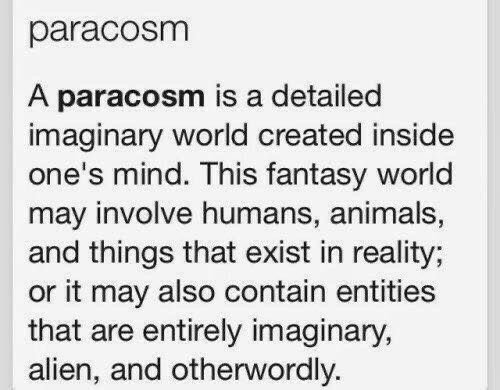
    Paracosm

    Whether it’s for a gripping storyline or a complex role-playing game, the thrill of creation is exhilarating. You become a god of your own design, shaping worlds and destinies according to your whim. Yet, there’s more to it than just the thrill; it’s about the impact these creations have on those who experience them. I believe that a well-crafted narrative or a meticulously designed game can change its audience in profound ways. They might walk away with a deeper understanding of themselves, a fresh perspective on the world, or an introduction to a concept they’ve never encountered before.

    Writing, in any form, is a conduit for change and growth. It is a tool that can reshape realities, challenge perceptions, and inspire revolutions. What else can boast such power and influence? It is not just about the words we write, but the ripples they create in the hearts and minds of the readers. To me, that’s the true joy of writing, the ability to touch lives, to ignite imaginations, and to foster a deeper understanding of the world around us.

    In the landscape of writing, there’s another type of writing I’d be remiss to not mention – journaling. Journaling is a voyage inward, a deeply personal and intimate exploration of one’s thoughts, feelings, and experiences. It is not just an act of self-expression, but a means of self-discovery, self-reflection, and personal growth.

    For the individual, the benefits of journaling are manifold. It’s an emotional outlet, providing a space to vent, to rejoice, to grieve, and to dream without judgment or restraint. One can pour their heart out, capturing their highs and lows, their triumphs and trials, their hopes and fears. It’s a mirror that reflects our inner world, helping us understand our emotions, patterns, and triggers. Over time, this introspection fosters self-awareness, emotional intelligence, and mental resilience.

    Moreover, journaling aids in problem-solving and decision-making, offering a canvas to dissect thoughts, weigh options, and envision outcomes. It’s a tool for mindfulness, grounding us in the present moment, and helping us appreciate the simple joys of life. It’s a personal historian, documenting our journey, our growth, and our evolution over time. It’s a treasure trove of memories, experiences, and lessons, a legacy we leave for our future selves.

    As a writer, journaling is a boon. It’s a practice ground, a space to experiment with ideas, styles, and voices. It’s a creative wellspring, a source of inspiration, sparking ideas for characters, plots, and themes. It’s a tool for introspection, helping us delve into the nuances of human emotion, thought, and behavior, enriching our character portrayals and narrative depth.

    But perhaps the most profound benefit is that journaling makes us more observant and empathetic. As we uncover the layers of our psyche, we gain insights into the human condition, nurturing our capacity to understand and portray diverse perspectives and experiences. It’s a bridge that connects the personal to the universal, enabling us to touch the hearts of our readers.

    In essence, journaling is a gift to ourselves and our craft. It’s a sanctuary where we can explore, discover, and grow as individuals and as writers.

    Till next we speak….stay strong, keep growing and remain assiduous.

  • How do you plan your goals?

    Getting S@!t done….

    Bruce Lee once said, “A journey of a thousand miles begins with one step.” So, let’s take that first step together. Each goal we set out to accomplish is like a journey. It might seem daunting at first, but breaking it down into manageable tasks can make it much less overwhelming.

    Starting Abstractly

    When embarking on a new project, it’s essential to start with a specific end goal in mind, even if the path to get there isn’t yet clear. This abstract approach allows for flexibility and adaptability as you begin your journey.

    Research is a critical first step. Platforms like Pinterest can provide a wealth of inspiration and insights into what others have done before you. From there, you can start breaking your goal down into its component parts, asking questions like: What steps do I need to take? What supplies will I need? How much time will this take?

    Utilizing Technology: iPhone Reminders App

    As an iPhone user, one of my favorite tools for goal-setting and task management is the built-in Reminders app. With this app, you can create different lists for various projects, set reminders for specific tasks, and even use location-based reminders to prompt you to do something when you arrive at or leave a specific place.

    The app also allows you to set priorities for your reminders, add notes, and create subtasks. You can even share your lists with others if you’re collaborating on a project.

    Additionally, the Notes app on your iPhone can be used to jot down ideas, create parts lists, or sketch out plans. This can be especially useful when you’re on the go and want to bundle tasks together for efficiency.

    The Importance of SMART Goals

    An essential part of any goal-setting process is the concept of SMART goals. SMART is an acronym that stands for Specific, Measurable, Achievable, Relevant, and Time-bound.

    • Specific: Your goal should be clear and specific. Instead of saying, “I want to get fit,” say, “I want to run a 5K in 30 minutes.”
    • Measurable: You should be able to track your progress. Using the example above, you can measure how close you are to running a 5K in 30 minutes.
    • Achievable: It’s important to set goals that are realistic and attainable. While it’s good to aim high, setting an impossible goal can lead to frustration and demotivation.
    • Relevant: Your goal should be relevant to your broader life goals. If you’re aiming to improve your health, running a 5K is a relevant goal.
    • Time-bound: Setting a deadline can create a sense of urgency and can motivate you to take action. For instance, you might aim to run a 5K in 30 minutes within six months.

    Conclusion

    Remember, Rome wasn’t built in a day. Be lenient with yourself and understand that achieving goals takes time and often requires overcoming obstacles. However, with careful planning, using the resources available to you, and setting SMART goals, you can set yourself up for success.

    Stay assiduous and keep striving towards your goals. Each step you take is a step closer to your destination. And remember, the journey of a thousand miles begins with one step. So take that step today and embark on your journey towards achieving your goals.

  • Create an emergency preparedness plan.

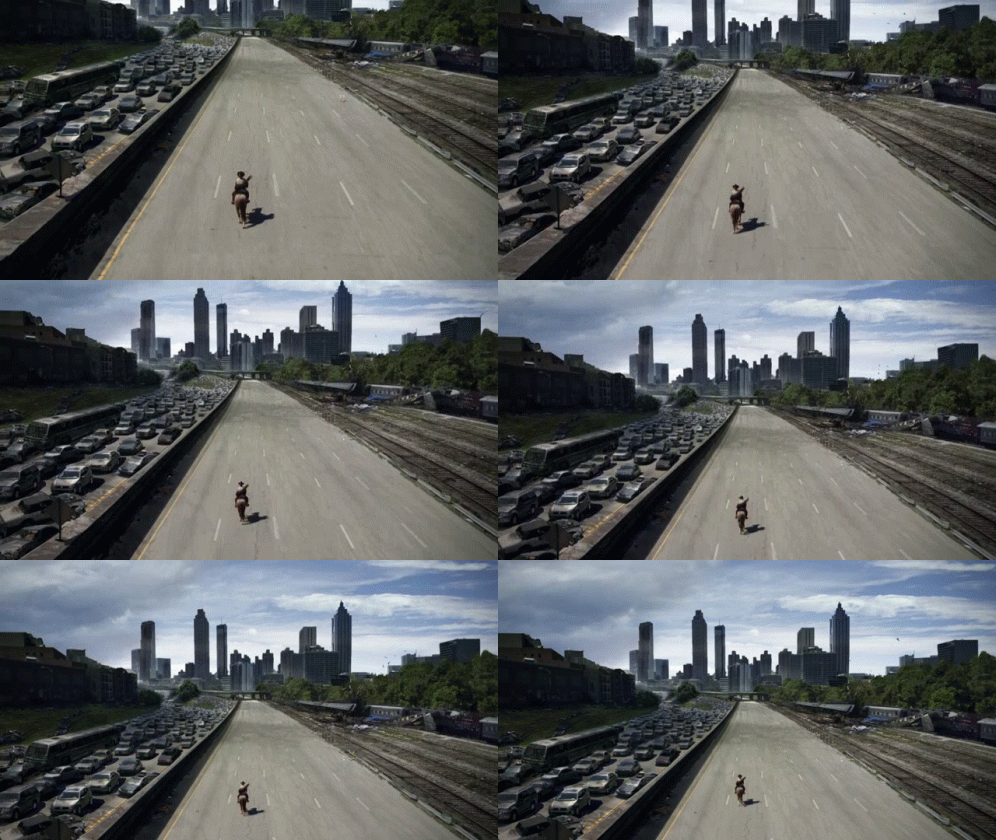
    The Walking Dead Taps into our innate emotions surrounding survival.

    In 2011 the CDC published an article on zombie preparedness ( found here https://stacks.cdc.gov/view/cdc/6023) as educational entertainment. The point they raise is that if you’re prepared for the zombie apocalypse, you’ll be prepared for anything. It’s a bit extreme but the sentiment is not lost to me.

    In our modern world, it’s easy to take our comfortable lives for granted, assuming that the status quo will persist indefinitely. This mindset, however, can leave us ill-prepared in face of emergencies – a fact that became glaringly evident during the COVID-19 pandemic when supply chains faltered and grocery store shelves ran empty.

    Natural disasters, too, serve as stark reminders of our vulnerability. Whether it’s flooding, earthquakes, or wildfires, like the recent ones in Maui, the need for emergency preparedness can’t be overstated.

    The thought of setting up an emergency action plan may seem daunting, but it’s essential to our safety and well-being. While you can’t prepare for every possible scenario, it’s worthwhile to consider the most likely situations that could impact you or your family. This act of preparedness aligns closely with living assiduously – living with constant and earnest effort.

    Consider what kind of emergencies are most likely to occur in your area. Is it a house fire? Earthquakes? Tornadoes? Floods? Identifying these potential threats helps you prepare in a way that minimizes their emotional and psychological impacts.

    For instance, if you live in a tornado-prone area, it’s important to have a shelter and to know where it is. Your shelter should be stocked with vital supplies like water, batteries, a first aid kit, a weather radio, and non-perishable snack items. If sheltering in place isn’t possible, you should know where to go and what supplies you’d need to get there. Having a “bug out bag” (BOB) for quick evacuations would be a prudent move.

    I recall a severe thunderstorm that hit our town without much warning. We took shelter in our basement just as the town’s tornado sirens sounded. Despite my interest in disaster preparedness, I found myself underprepared. My weather radio was dead, and I had no supplies in the shelter. However, I had a “get home bag” filled with essential items, including a hand-cranked weather radio and flashlights, that proved immensely useful.

    This experience taught me the importance of redundancy, embodied in the rule of two: “Two is one and one is none.” Having two weather radios meant that when one failed, I still had another.

    This leads us to Murphy’s Law: “Everything that can go wrong, will go wrong.” Keeping this in mind while preparing for emergencies can help you identify potential weaknesses in your plans.

    The final concept I’d like to introduce is the five “P’s”: Prior Planning Prevents Poor Performance. Being prepared in advance can save you from panic in the heat of an emergency, allowing you to focus on getting to safety.

    Of course, emergencies aren’t limited to natural disasters. Job loss….sudden death, unexpected hospitalization, house fires, winter storms – all these demand preparation. It’s crucial to be honest with yourself about what’s likely to happen and focus your efforts accordingly.

    Start with the basics. The Centers for Disease Control and Prevention (CDC) and the American Red Cross offer valuable articles and resources on emergency preparedness. (CDC, American Red Cross). These are good places to start your research with resources available to guid you.

    In future articles, I’ll delve deeper into topics such as the “bug out bag” and the “get home bag”. However, for now, let’s focus on the fundamentals of being prepared.

    Emergency preparedness is a broad topic and one that’s close to my heart. It’s a process of continuous learning, adaptation, and above all, vigilance. The true essence of preparedness isn’t about living in constant fear but about being ready to face any situation with confidence and composure.

    So, let’s strive to live assiduously, with an understanding of the uncertainties around us and the resilience to handle whatever comes our way. As we learn and grow in our preparedness journey, we’ll share more insights and practical tips to help each other.

    Remember, preparedness is not just about survival; it’s about thriving in the face of adversity. So, let’s take this journey together, one step at a time. Stay prepared, stay strong, and stay assiduous.