How would you design the city of the future?
In the world I see you are stalking elk through the damp canyon forests around the ruins of Rock feller Center. You’ll wear leather clothes that will last you the rest of your life. You’ll climb the wrist-thick kudzu vines that wrap the Sears Towers. And when you look down, you’ll see tiny figures pounding corn, laying stripes of venison on the empty car pool lane of some abandoned superhighways.
Chuck Palahniuk, Fight Club
The cities of the future? I wouldn’t design them—at least not as they exist today. You see, I believe we’re a species out of balance, enamored by the allure of modernity, yet simultaneously thrown off kilter by its rapid pace and often unconsidered impacts. I propose we harmonize technology with our inherent human nature, striving to find equilibrium with our environment, our species, and our very souls. My ideas may seem a bit radical, and perhaps are not fully fleshed out, but bear with me as we journey into my vision of the cities of tomorrow.
Decentralization: The Core of Future Cities
The first step towards this future is the decentralization of cities. Away with sprawling urban jungles that consume vast expanses of land, and in with communities not larger than 10,000 people, where everyone knows their neighbor, and shared goals and values cultivate a sense of belonging.
The decentralization should also apply to companies. The era of centralized supply chains must give way to a web of local distribution and fulfillment centers, enabling agility and resilience in the face of supply chain disruptions. A decentralized model also supports local economies, creating jobs and reducing the carbon footprint associated with long-distance transportation.
Agriculture: In the Hands of the People
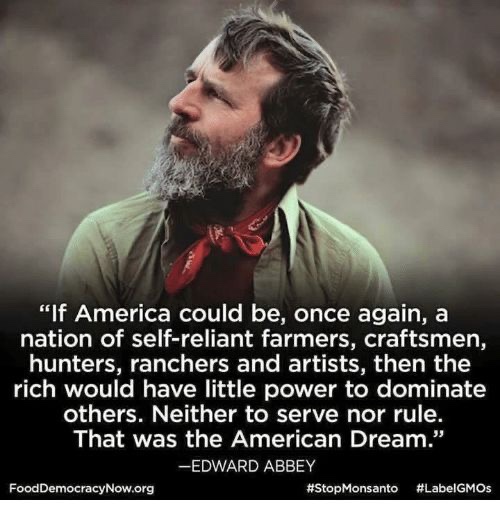
I envision a future where agriculture is not dominated by large corporations, but rather, is in the hands of the people. Community gardens and urban farms become the norm, providing fresh, locally sourced produce, and instilling a sense of connection and responsibility for the land.
Work: A Blend of Tradition and Modernity
Traditional trades should be revived, with more people within communities honing artisan skills and crafts. For those whose work can be done remotely, telecommuting should be the norm, reducing the need for daily commuting and its associated environmental impact.
Sustainable Living: Reducing Consumption and Waste
The cities of the future should be characterized by sustainable living. This means reducing our propensity for throwaway consumption, and instead, embracing a circular economy where waste is minimized and resources are reused or recycled.
Landscaping: Merging Aesthetics with Functionality
I imagine cities and homes landscaped with native fruit and nut trees, interspersed with perennial and annual vegetable gardens, and adorned with wildflowers. This not only enhances the aesthetic appeal of our surroundings, but also provides a source of food and promotes biodiversity.
Chickens could free-range across neighborhoods, providing fresh eggs and naturally controlling pests. Homes could be earthworks, dug into the ground, with grass on the rooftops, blending seamlessly into the landscape and offering energy efficiency.
Waste Management: Composting for a Healthier Planet
Communal composting could become a standard practice, turning organic waste into nutrient-rich soil for community gardens, reducing landfill waste, and sequestering carbon.
In this vision, humanity is reintroduced to the world, rather than kept apart from it. We become a part of the ecosystem, living in harmony with nature, rather than against it. It’s a radical shift from our current urban living, but it’s a future where we can thrive—both as individuals and as a species. It’s a future where we’re not just surviving, but living in balance with the world around us. This is my vision for the cities of the future.
 Assiduous
Leave a comment