What do you enjoy most about writing?

There is a unique thrill in putting pen to paper and weaving a web of words that transport readers to different realms or enlighten them with new knowledge. As a fervent reader and writer, I find an inexplicable joy in both fiction and non-fiction, each offering its own set of rewards and challenges.
Non-fiction writing for me is akin to being a bridge, connecting the knowledge I’ve have to the people who are potentially seeking it. It’s an opportunity to share the fascinating tidbits I’ve gathered from life, from the esoteric to the pragmatic. I have always been intrigued by the power of information, the way it can enlighten and empower individuals, fostering a sense of understanding and connection. There is a certain satisfaction in sharing cool and helpful information, knowing that it may inspire, aid, or simply entertain someone. Each article or essay I write is like a dead I hope germinates in the mind of another.
However, it is in fiction that my imagination finds its true playground, especially in the realm of fantasy. Growing up, I was enchanted by the works of J.R.R. Tolkien, captivated by the depth and intricacy of his world-building. His works stand as a testament to the power of imagination, forging worlds beyond our wildest dreams, yet grounded in their own logic and realism. Inspired by his craft, I too revel in creating my own universes, painting landscapes with my words, and populating them with characters born of my mind’s eye.
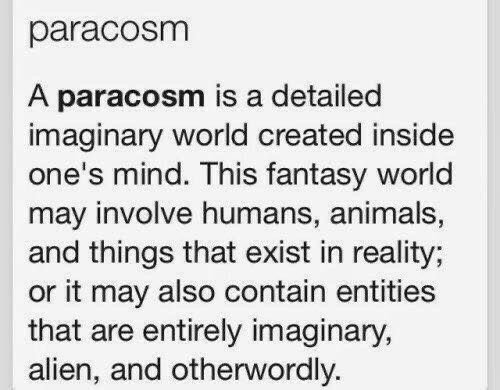
Whether it’s for a gripping storyline or a complex role-playing game, the thrill of creation is exhilarating. You become a god of your own design, shaping worlds and destinies according to your whim. Yet, there’s more to it than just the thrill; it’s about the impact these creations have on those who experience them. I believe that a well-crafted narrative or a meticulously designed game can change its audience in profound ways. They might walk away with a deeper understanding of themselves, a fresh perspective on the world, or an introduction to a concept they’ve never encountered before.
Writing, in any form, is a conduit for change and growth. It is a tool that can reshape realities, challenge perceptions, and inspire revolutions. What else can boast such power and influence? It is not just about the words we write, but the ripples they create in the hearts and minds of the readers. To me, that’s the true joy of writing, the ability to touch lives, to ignite imaginations, and to foster a deeper understanding of the world around us.
In the landscape of writing, there’s another type of writing I’d be remiss to not mention – journaling. Journaling is a voyage inward, a deeply personal and intimate exploration of one’s thoughts, feelings, and experiences. It is not just an act of self-expression, but a means of self-discovery, self-reflection, and personal growth.
For the individual, the benefits of journaling are manifold. It’s an emotional outlet, providing a space to vent, to rejoice, to grieve, and to dream without judgment or restraint. One can pour their heart out, capturing their highs and lows, their triumphs and trials, their hopes and fears. It’s a mirror that reflects our inner world, helping us understand our emotions, patterns, and triggers. Over time, this introspection fosters self-awareness, emotional intelligence, and mental resilience.
Moreover, journaling aids in problem-solving and decision-making, offering a canvas to dissect thoughts, weigh options, and envision outcomes. It’s a tool for mindfulness, grounding us in the present moment, and helping us appreciate the simple joys of life. It’s a personal historian, documenting our journey, our growth, and our evolution over time. It’s a treasure trove of memories, experiences, and lessons, a legacy we leave for our future selves.
As a writer, journaling is a boon. It’s a practice ground, a space to experiment with ideas, styles, and voices. It’s a creative wellspring, a source of inspiration, sparking ideas for characters, plots, and themes. It’s a tool for introspection, helping us delve into the nuances of human emotion, thought, and behavior, enriching our character portrayals and narrative depth.
But perhaps the most profound benefit is that journaling makes us more observant and empathetic. As we uncover the layers of our psyche, we gain insights into the human condition, nurturing our capacity to understand and portray diverse perspectives and experiences. It’s a bridge that connects the personal to the universal, enabling us to touch the hearts of our readers.
In essence, journaling is a gift to ourselves and our craft. It’s a sanctuary where we can explore, discover, and grow as individuals and as writers.
Till next we speak….stay strong, keep growing and remain assiduous.

 Assiduous
Leave a comment